

all waters touch
journal entries from 2024, tropical way-making and being anchored each time the waves crash at my feet


𝙒𝙝𝙖𝙩 𝙙𝙤𝙚𝙨 𝙞𝙩 𝙢𝙚𝙖𝙣 𝙩𝙤 𝙢𝙖𝙠𝙚 𝙝𝙤𝙢𝙚 𝙞𝙣 𝙩𝙝𝙞𝙨 𝙩𝙞𝙢𝙚 𝙤𝙛 𝙞𝙢𝙥𝙚𝙧𝙞𝙖𝙡 𝙘𝙤𝙡𝙡𝙖𝙥𝙨𝙚 𝙖𝙣𝙙 𝙧𝙚𝙫𝙞𝙩𝙖𝙡𝙞𝙯𝙖𝙩𝙞𝙤𝙣?
From the end of January into March and then June onward to early October 2024, I committed to a series of travel. Informed by my desire to be taken by the wind and because I felt myself hollowing out like a shell. Trying to force myself to stay in a ‘home’ void of care, creativity and the warm arms of loved ones. I couldn’t fathom flying back and forth constantly anymore. I had to break the pattern I was in. I didn’t make an effort to sign another lease or find housing.
I packed up my house, left my car and items in Maui with my sister, unsure of when I would return.
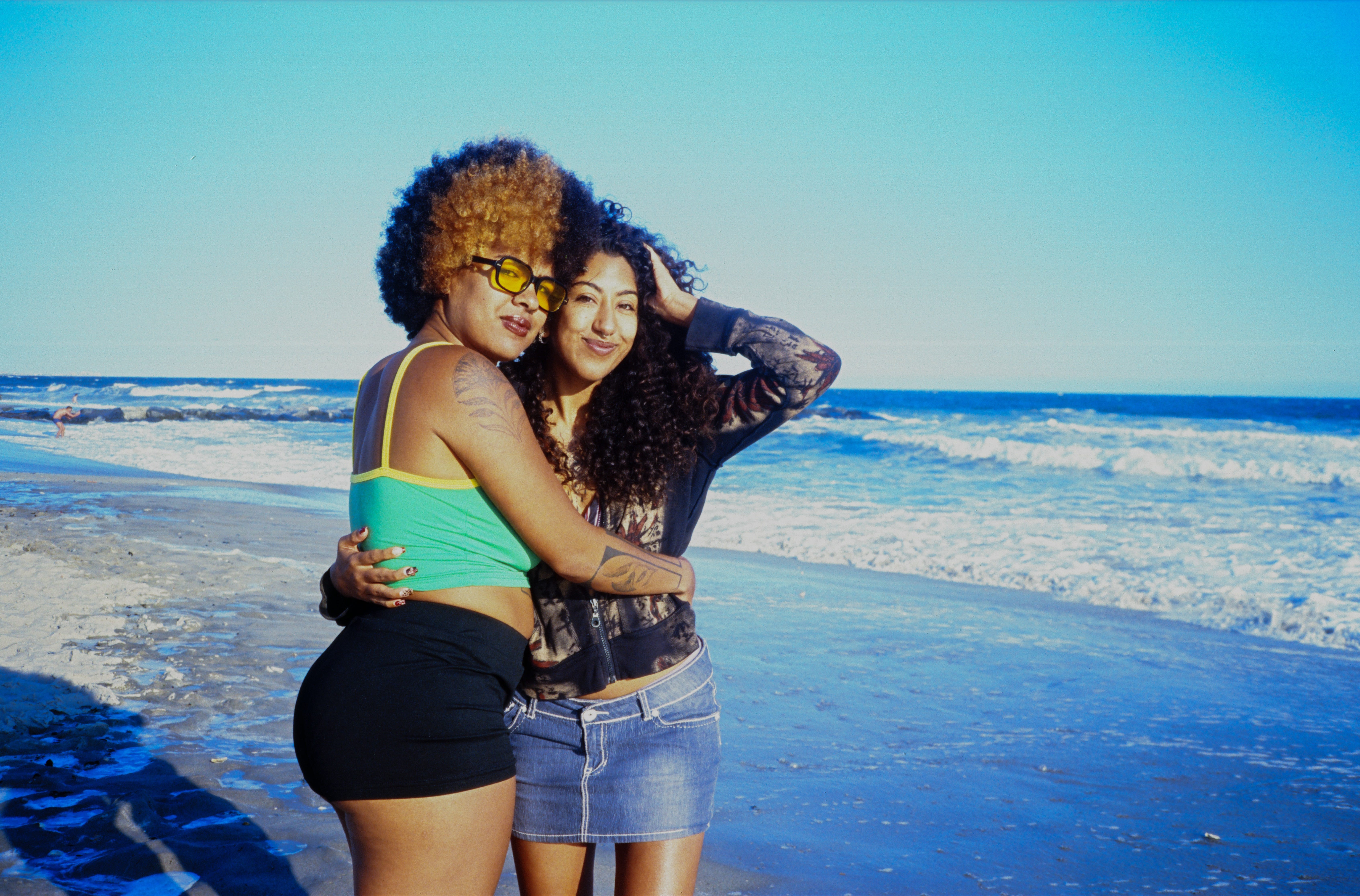
I moved through places that were fresh on my feet and places that will always be home — California, Mexico, New York and Florida.
I touched the ocean in all of these places and each shoreline was a different iteration of this vast body.
Consider becoming a paid subscriber and/or making an one time gift to me (venmo: swansong111, cashapp: $swansong111). Funds received will directly support my return to studies and earth tending — I plan to enroll in a Naturalist course focusing on Marine Restoration this fall and I’m saving to get my car up and running again.
It was February when I first met Axel. I was wrestling with swords, pulling at my soul strings. Stitching together the patchwork quilt of my heart.
We kept catching each other’s eye from different corners of the art show up in the 14th floor of Torre Latinoamericano. I decided to go up to him. Of course he was a poet. My Spanish wasn’t good enough to piece together the fullness of his poem but he asked if he could read it out loud anyways.
His words danced like the center of a glowing flame, blending perfectly into the setting sun, he brought salt and memory and oceanic mist to the skyline we stood over.
poema:
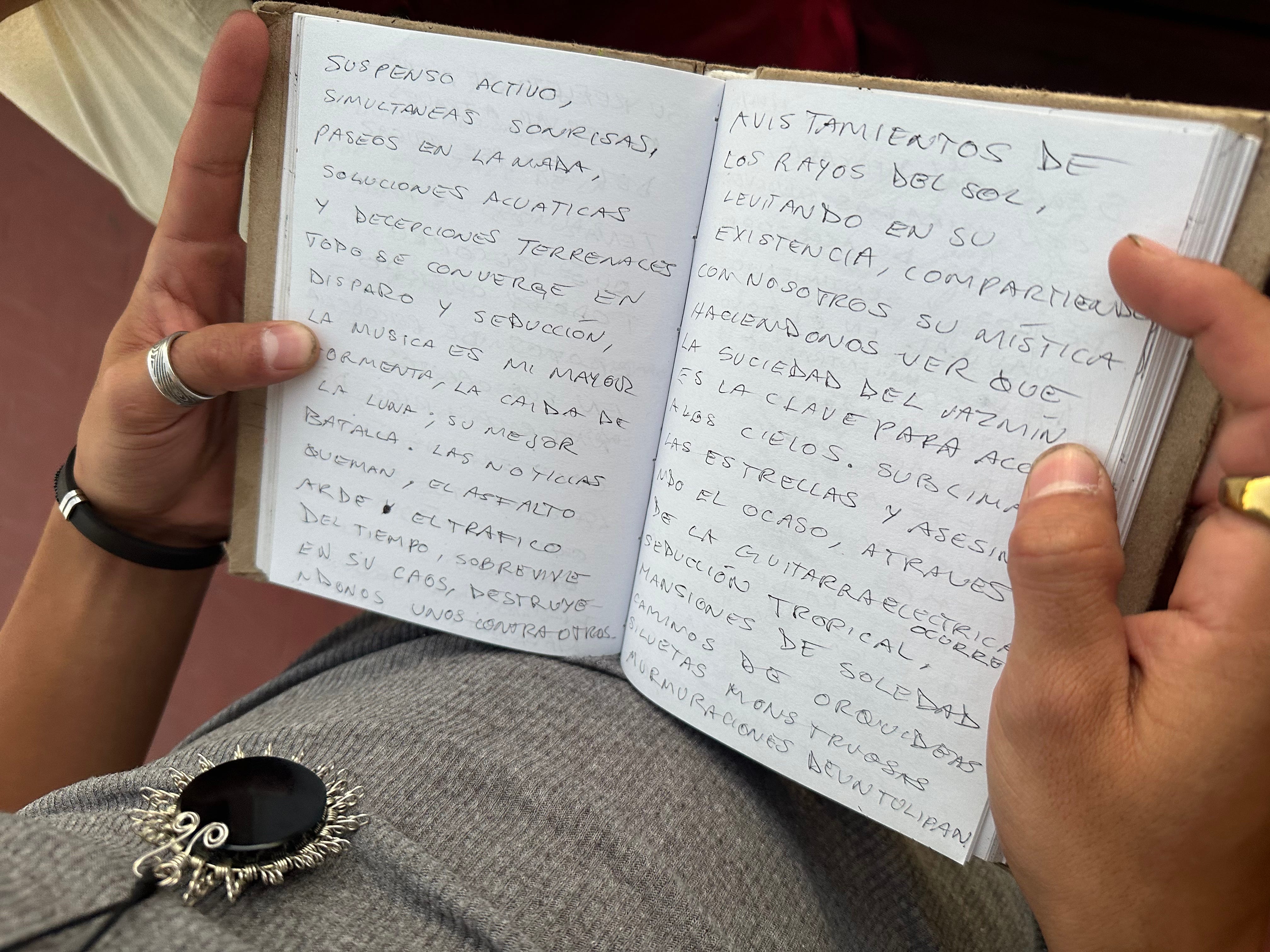
suspenso activo, simultaneas sonrisas, paseos en la mada, soluciones acuaticas y decepciones terrenales. todo se converge en disparo y seduccion, la musica es mi mayor tormenta, la caida de la luna; su mejor batalla. las noticias queman, el asfalto arde y el trafico del tiempo, sobrevivie en su caos, destruyendonos unos contra otros. avistamientos de los rayos del sol, levitando en su existencia, compartieansos con nosotros su mistica. haciendonos ver que la suciedad del jazmin es la clave para accesa a los cielos. sublima las estrellas y asesunando el ocaso, atraves de la guitarraelectrica ocurre seduccion tropical, mansiones de soledad caminos de orquideas siluetas monstruosas murmuraciones deuntolipan.
poem:
Active suspense, simultaneous smiles, walks in the wood, aquatic solutions and earthly disappointments. Everything converges in shooting and seduction, music is my greatest storm, the fall of the moon; its best battle. The news burns, the asphalt burns and the traffic of time, survives in its chaos, destroying us against each other. Sightings of the sun's rays, levitating in its existence, sharing with us its mysticism. Making us see that the dirtiness of jasmine is the key to access the heavens. Sublimate the stars and kill the sunset, through the electric guitar tropical seduction occurs, mansions of solitude, paths of orchids, monstrous silhouettes, murmurs of a lip.
I feel the salt in my throat and on my lips in the silence that trails.
Hearing his poem shows me where the fissures make fault lines in my heart.
I tell myself, that’s where the ocean, that’s always inside me, can fill in.
Like La Llorona’s tears turning into long, long hair that she sweeps the floor with.
A cleansing.
What would it be like to open my chest and let the possibility of the truth expand?
Let the entirety of myself expand and exist in wholeness?
Sand slipping through my fingers. Threads disintegrating. Fraying. Where does the softness land in the expanse of all else? Melting. I find myself swimming in the current in search of a smooth rock to anchor myself. To be held. To let go.
That’s what it is - to be held.
Listen.
Does it actually feel good?
My ears ringing with the replay of yet again, another lover, days before, telling me about patience.
Pleasure is a resolve for this body of pain.
How can I hear of patience when it stings in the memory of wistful promises?
I take the bows from Cupid’s hands. Instead, I point an arrow within. Straight at the pattern this year of sharp desire, of being shamed for desire. It all bends and spins and feels like a cobweb I stepped into. So, I look into the edge of my own weaving. A craving indicates a loss. A loss indicates a space. A space indicates possibility. There’s no perfect way of being in this wretched world — still we chip and turn and make sense towards a liberation for the children.
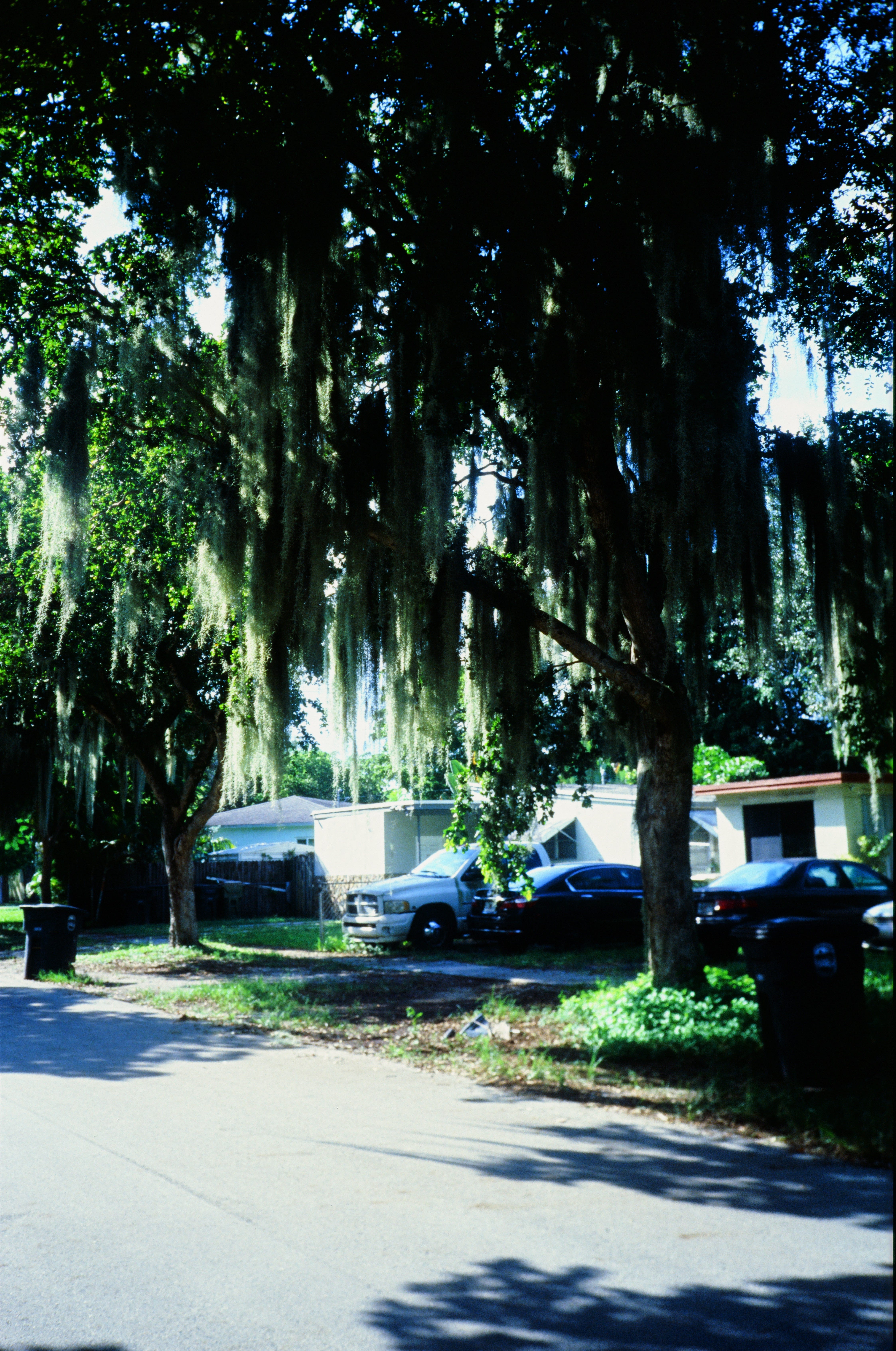
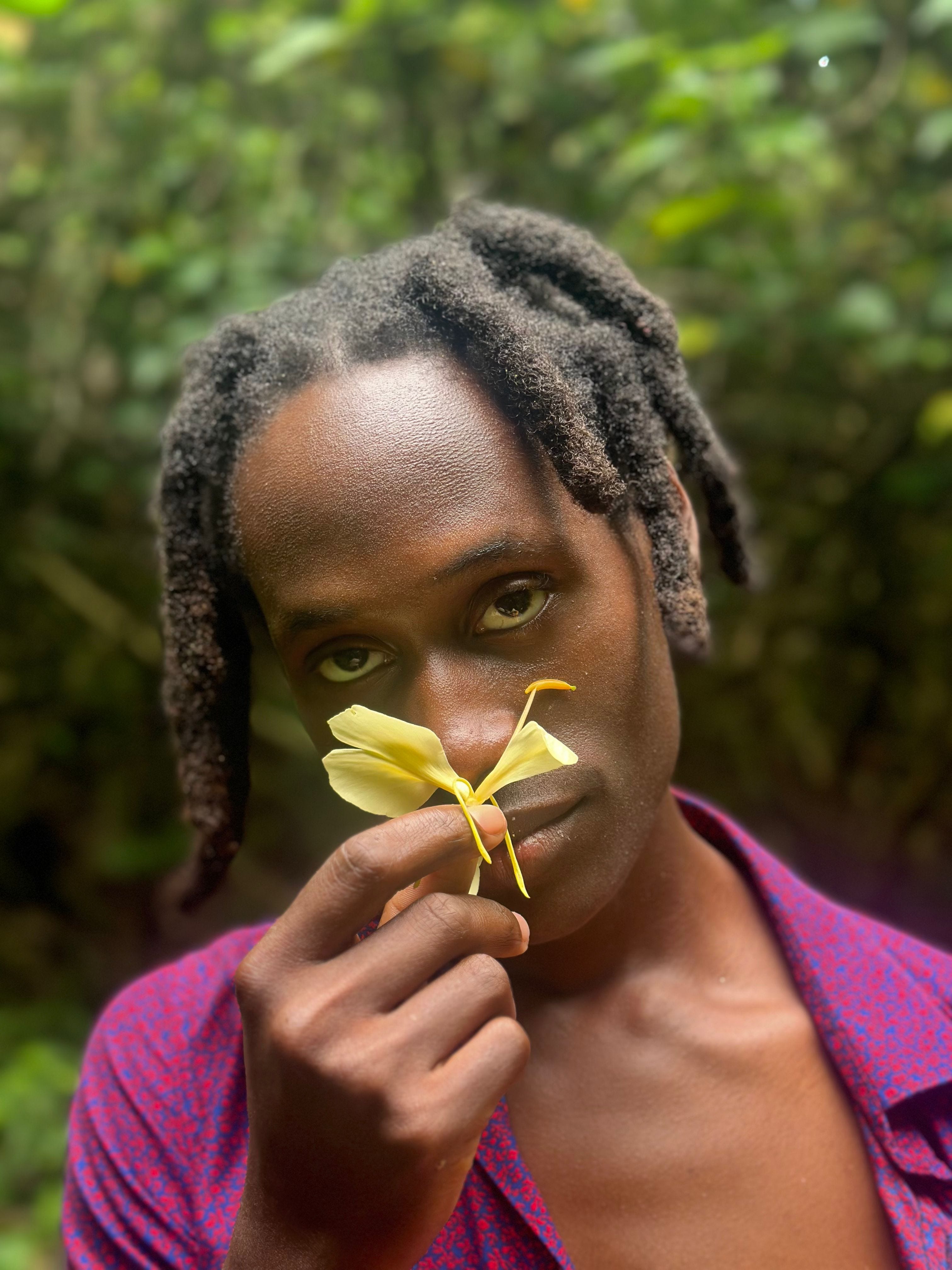
𝟏𝟎/𝟕/𝟐𝟒
𝐚𝐥𝐥 𝐰𝐚𝐭𝐞𝐫𝐬 𝐭𝐨𝐮𝐜𝐡
𝐲𝐨𝐮 𝐜𝐫𝐨𝐬𝐬 𝐦𝐲 𝐦𝐢𝐧𝐝 𝐭𝐡𝐫𝐨𝐮𝐠𝐡𝐨𝐮𝐭 𝐭𝐡𝐞 𝐝𝐚𝐲
𝐭𝐚𝐤𝐢𝐧𝐠 𝐦𝐞 𝐛𝐚𝐜𝐤 𝐭𝐨 𝐛𝐢𝐥𝐥𝐨𝐰𝐢𝐧𝐠 𝐩𝐚𝐥𝐦 𝐥𝐞𝐚𝐯𝐞𝐬
𝐜𝐨𝐭𝐭𝐨𝐧 𝐜𝐚𝐧𝐝𝐲 𝐬𝐮𝐧𝐬𝐞𝐭𝐬 𝐢𝐧 𝐭𝐡𝐞 𝐬𝐡𝐚𝐥𝐥𝐨𝐰 𝐀𝐭𝐥𝐚𝐧𝐭𝐢𝐜
𝐬𝐰𝐚𝐥𝐥𝐨𝐰𝐢𝐧𝐠 𝐭𝐡𝐞 𝐬𝐨𝐟𝐭 𝐩𝐞𝐭𝐚𝐥𝐬 𝐨𝐟 𝐛𝐮𝐭𝐭𝐞𝐫𝐟𝐥𝐲 𝐩𝐞𝐚𝐬 𝐞𝐯𝐞𝐫𝐲 𝐦𝐨𝐫𝐧𝐢𝐧𝐠
𝐟𝐞𝐞𝐥𝐢𝐧𝐠 𝐭𝐡𝐞 𝐩𝐚𝐭𝐭𝐞𝐫𝐧𝐬 𝐨𝐟 𝐦𝐚𝐧𝐠𝐫𝐨𝐯𝐞 𝐛𝐚𝐫𝐤 𝐬𝐭𝐢𝐥𝐥 𝐞𝐭𝐜𝐡𝐞𝐝 𝐢𝐧𝐭𝐨 𝐦𝐲 𝐡𝐢𝐩
𝐢𝐧 𝐭𝐡𝐞 𝐫𝐡𝐲𝐭𝐡𝐦 𝐨𝐟 𝐲𝐨𝐮𝐫 𝐥𝐨𝐯𝐞
𝐰𝐚𝐧𝐭𝐢𝐧𝐠 𝐭𝐨 𝐟𝐢𝐧𝐝 𝐭𝐡𝐨𝐬𝐞 𝐫𝐢𝐝𝐠𝐞𝐬
𝐢𝐧 𝐦𝐲 𝐬𝐤𝐢𝐧 𝐚𝐠𝐚𝐢𝐧
𝐝𝐫𝐞𝐚𝐦𝐢𝐧𝐠 𝐨𝐟 𝐛𝐞𝐢𝐧𝐠 𝐜𝐮𝐭 𝐛𝐲 𝐲𝐨𝐮𝐫 𝐠𝐥𝐚𝐬𝐬 𝐞𝐲𝐞𝐬
𝐥𝐢𝐤𝐞 𝐭𝐡𝐞 𝐬𝐡𝐚𝐫𝐩 𝐞𝐝𝐠𝐞 𝐨𝐟 𝐚𝐧 𝐨𝐛𝐬𝐢𝐝𝐢𝐚𝐧 𝐛𝐥𝐚𝐝𝐞
𝐦𝐚𝐭𝐜𝐡𝐢𝐧𝐠 𝐲𝐨𝐮𝐫 𝐰𝐢𝐥𝐥 𝐢𝐧 𝐡𝐨𝐥𝐝𝐢𝐧𝐠 𝐚 𝐬𝐭𝐞𝐚𝐝𝐲 𝐠𝐚𝐳𝐞
𝐲𝐨𝐮𝐫 𝐟𝐞𝐚𝐫𝐥𝐞𝐬𝐬𝐧𝐞𝐬𝐬 𝐧𝐞𝐬𝐭𝐥𝐞𝐝 𝐢𝐧 𝐭𝐡𝐞 𝐠𝐥𝐨𝐰 𝐨𝐟 𝐬𝐨 𝐦𝐮𝐜𝐡 𝐣𝐨𝐲
𝐚𝐥𝐥 𝐦𝐲 𝐬𝐡𝐚𝐝𝐨𝐰𝐬 𝐫𝐢𝐬𝐞 𝐭𝐨 𝐭𝐡𝐞 𝐬𝐮𝐫𝐟𝐚𝐜𝐞 𝐢𝐧 𝐭𝐡𝐞 𝐰𝐚𝐲 𝐲𝐨𝐮’𝐯𝐞 𝐨𝐩𝐞𝐧𝐞𝐝 𝐮𝐩 𝐦𝐲 𝐡𝐞𝐚𝐫𝐭
𝐢𝐧 𝐭𝐡𝐞 𝐰𝐚𝐲𝐬 𝐲𝐨𝐮 𝐡𝐚𝐯𝐞 𝐬𝐡𝐨𝐰𝐞𝐝 𝐡𝐨𝐰 𝐦𝐮𝐜𝐡 𝐈 𝐡𝐚𝐯𝐞 𝐩𝐮𝐭 𝐚𝐬𝐢𝐝𝐞 𝐭𝐡𝐞 𝐩𝐨𝐬𝐬𝐢𝐛𝐢𝐥𝐢𝐭𝐲
𝐨𝐟 𝐛𝐞𝐢𝐧𝐠 𝐦𝐢𝐫𝐫𝐨𝐫𝐞𝐝 𝐚𝐧𝐝 𝐩𝐢𝐥𝐥𝐚𝐫𝐞𝐝 𝐢𝐧 𝐥𝐨𝐯𝐞
𝐈 𝐰𝐚𝐧𝐭 𝐭𝐨 𝐛𝐞 𝐟𝐢𝐥𝐥𝐞𝐝 𝐮𝐩 𝐰𝐢𝐭𝐡 𝐲𝐨𝐮
𝐚𝐧𝐝 𝐬𝐭𝐢𝐥𝐥 𝐚𝐬𝐤, 𝐰𝐡𝐚𝐭 𝐝𝐨𝐞𝐬 𝐢𝐭 𝐦𝐞𝐚𝐧
𝐭𝐨 𝐠𝐫𝐨𝐮𝐧𝐝 𝐬𝐮𝐜𝐡 𝐜𝐞𝐥𝐞𝐬𝐭𝐢𝐚𝐥 𝐟𝐨𝐫𝐜𝐞𝐬
𝐢𝐧 𝐭𝐡𝐞𝐬𝐞 𝐫𝐨𝐨𝐭𝐬
𝐭𝐨 𝐤𝐞𝐞𝐩 𝐭𝐡𝐞 𝐞𝐲𝐞 𝐨𝐟 𝐭𝐡𝐞 𝐬𝐮𝐧
𝐢𝐧 𝐨𝐮𝐫 𝐩𝐚𝐥𝐦𝐬
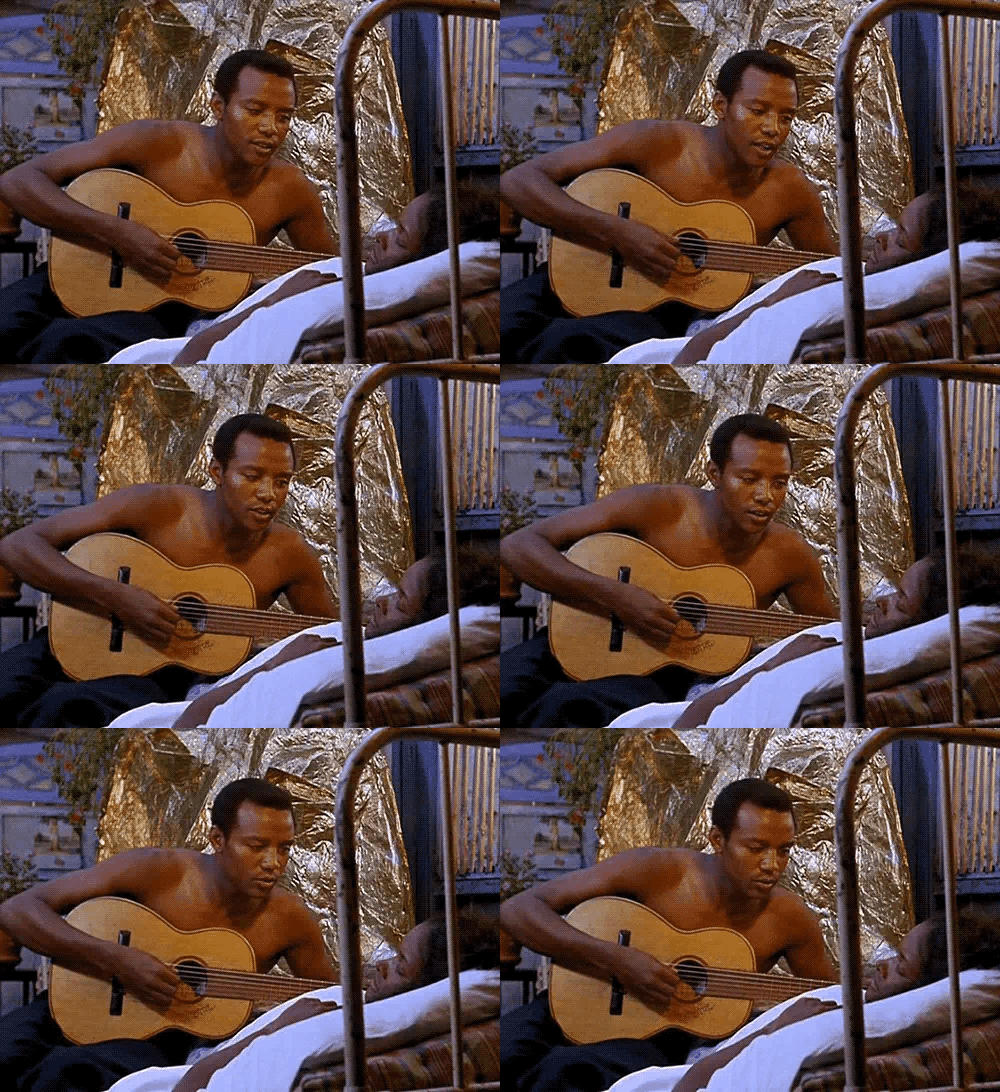
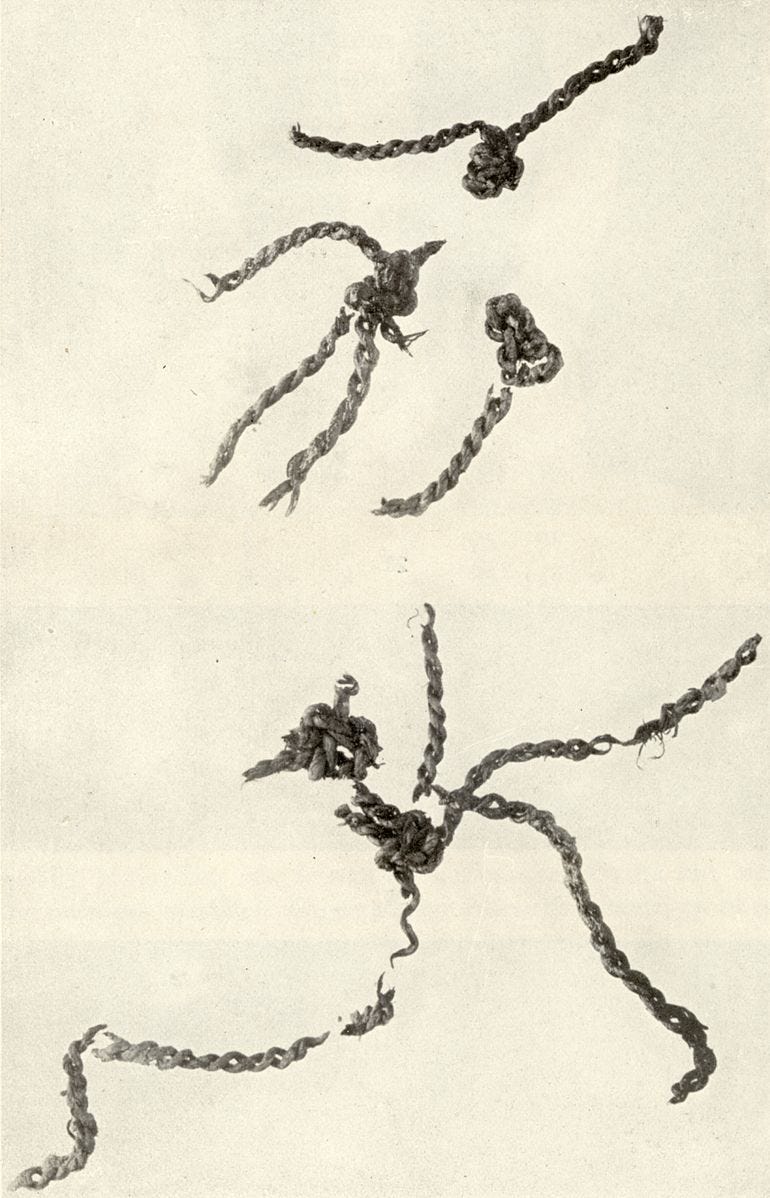
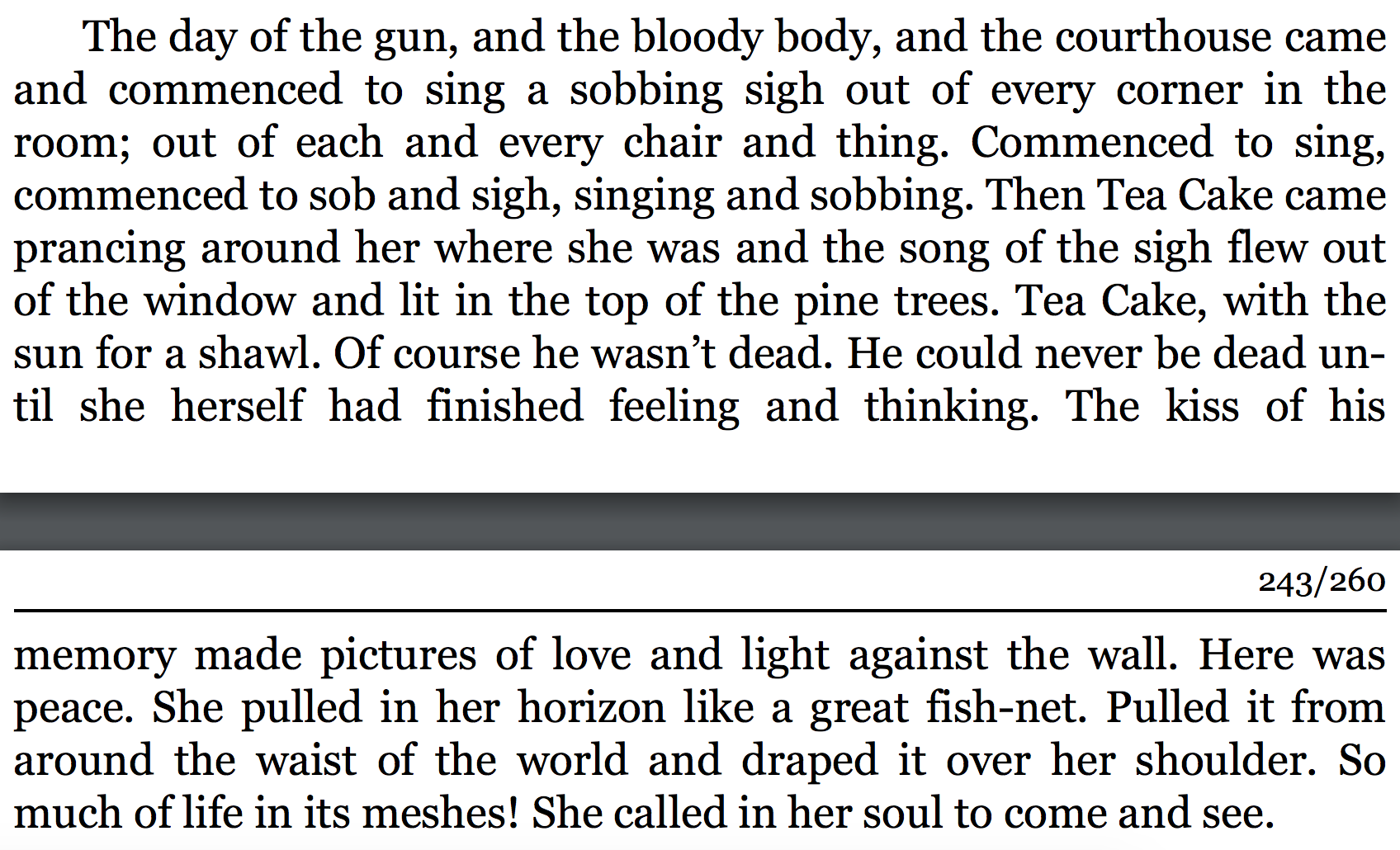
As soon as I got to Florida, I felt the world of Zora Neale Hurston through her illustrative words. I kept bringing up their Eyes Were Watching God. I asked everyone I encountered if they’d read it. It wasn’t until I invited Hina over to the garden that I was asked the same thing. And we lost ourselves, in the abundance of the swamp, the decay, the sweet rot, the way the earth wants to swallow everything whole and submerge it back into its womb of soil and water. Hina talked to me about Alice Walker’s persistent commitment to finding Zora Neale Hurston’s unmarked grave. We talked about Janie and Tea Cake’s romance, about the ending, about how Janie’s identity shifted throughout the chapters. A coming of age that spoke directly to the land that surrounded me.
I started re-reading the book after this conversation, I hadn’t touched it since high school. I finished it when I was in Maui, as I unraveled —— the mess of knots and tangles I left behind during my travels all year.
𝟗/𝟐𝟏/𝟐𝟒 𝐨𝐥𝐞𝐭𝐚 𝐫𝐢𝐯𝐞𝐫 𝐬𝐭𝐚𝐭𝐞 𝐩𝐚𝐫𝐤
I can’t tell where exactly the river meets the ocean yet but it’s bleeding throughout. In all the mangrove roots, surrounding the marsh. The breeze feels so good. I found a quiet, more secluded spot. Parts of Sandy Beach smelled like sulfur or rotten eggs (more on this below). Bottle caps mixed into sand and rocks. Little black crabs scurrying about reminded me of the Solitude card I pulled at Amira’s around the full moon in NY before getting to Miami. A trail of mushrooms grew in from both pathways leading up to the casita I’m staying in a day or two after my arrival. Beniyah said he hasn’t seen that happen before in the span of the year he’s lived there. The breeze is wafting in the salt and scent of the ocean, I love how it lands in my body.
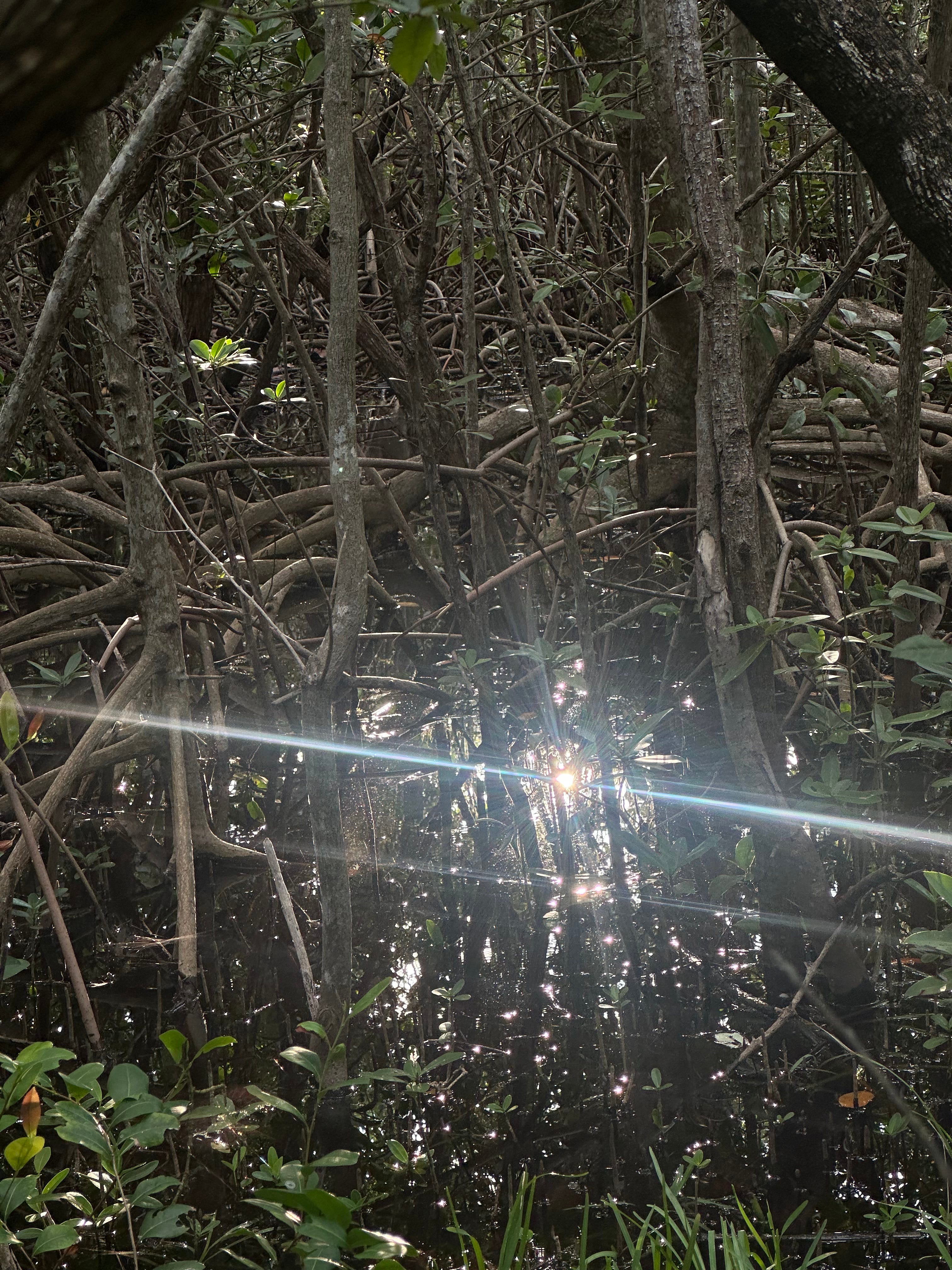
I found the eye of the sun in the waters making a pool in mangrove roots that day in Oleta. It shone directly into the center. I felt changed in that moment. I couldn’t fathom how early colonial settlers could look at the majesty of a mangrove forest and declare it an useless swamp. The sheer disconnect and absurdity puzzles me. I know though that these warped beliefs could never eliminate the magic of this ecosystem. The swamp forever carries an innate power that disrupts the violence of terraforming.
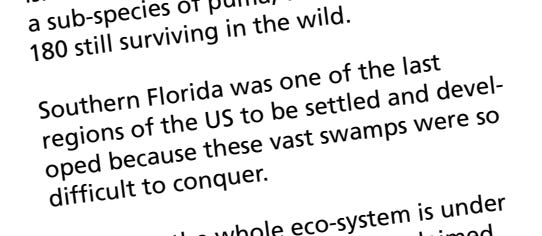
The mangroves were seen as an untamable beast, a foreign entity to the colonial gaze that salivated for destruction. They were defined as a deterrent to development, business and the corrosive nature of capitalism. Mangroves hold so much richness. Mangroves are survivors, protectors, and guardians of the coast. They exist as natural barriers against storms and create some of the most biodiverse wetland forests of the world. They have aerial roots and filter salt that appears as granules of crystals on their leaves. The scent of this process was viewed as a stench by settlers who didn’t have the knowledge of this filtration system — the “pungent odor is the smell of hydrogen sulfide, often referred to as the “rotten eggs gas” and can become more intense during the spring and summer months. Hydrogen sulfide is produced in these forests by anaerobic bacteria as they break down organic matter (detritus) in the soil. Mangroves produce massive amounts of detritus — up to one kilogram per square meter every year — which, as it breaks down uses up a lot of the oxygen in the water, hence the anaerobic (without oxygen) bacteria. The breaking down of detritus releases nutrients back to the forests and out to the open ocean on the backs of the tides, making this ecosystem a crucial source of naturally occurring nutrients to the coast” (Johnson).
Much of what we know as Miami Beach and the surrounding coasts were once covered in mangroves, 90% of this cover was removed and replaced with concrete seawalls and urban development (Charouhis).
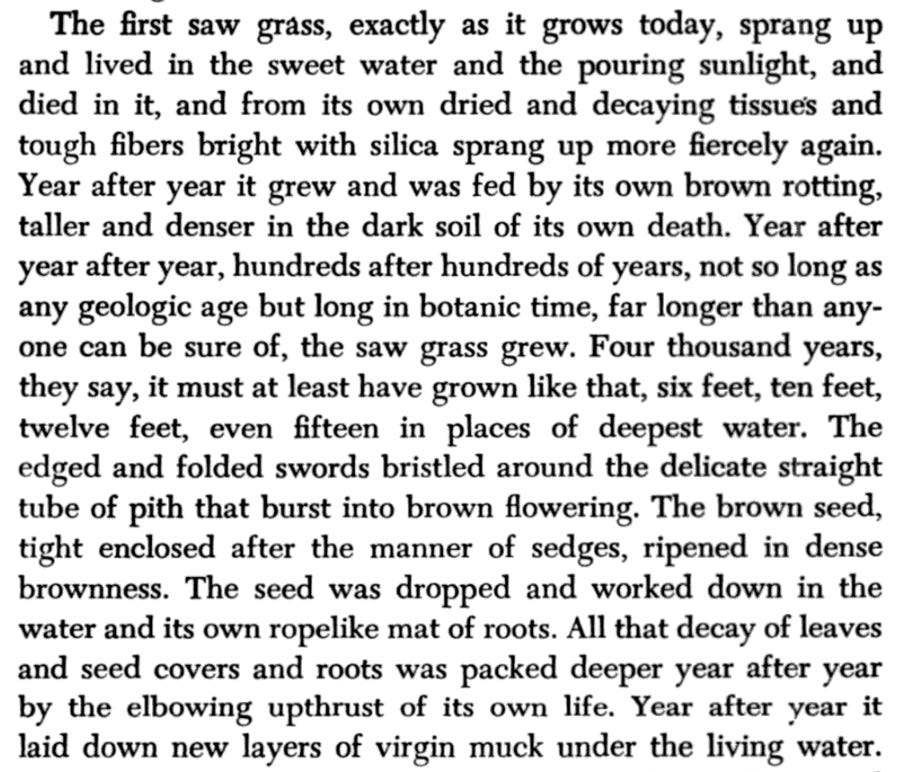
On that day in the garden, Hina also told me about Florida’s eradicated railroad systems built by Henry Flagler. We traced how Florida was shaped and how the Everglades was viewed as an entity to drain and terraform by the likes of Hamilton Disston, Napoleon Bonaparte Broward and other early settlers. Broward’s drainage project was defined as the “greatest act of reclamation in American history”. The insanity to feel gleeful about draining what’s considered the equivalent of the Earth’s kidney(s)… Thankfully, the efforts of the Miccosukee, Marjory Stonem Douglas and other Indigenous and environmental activists halted development in this wetland that continues to face contention today (re: Alligator Alcatraz & data centers).
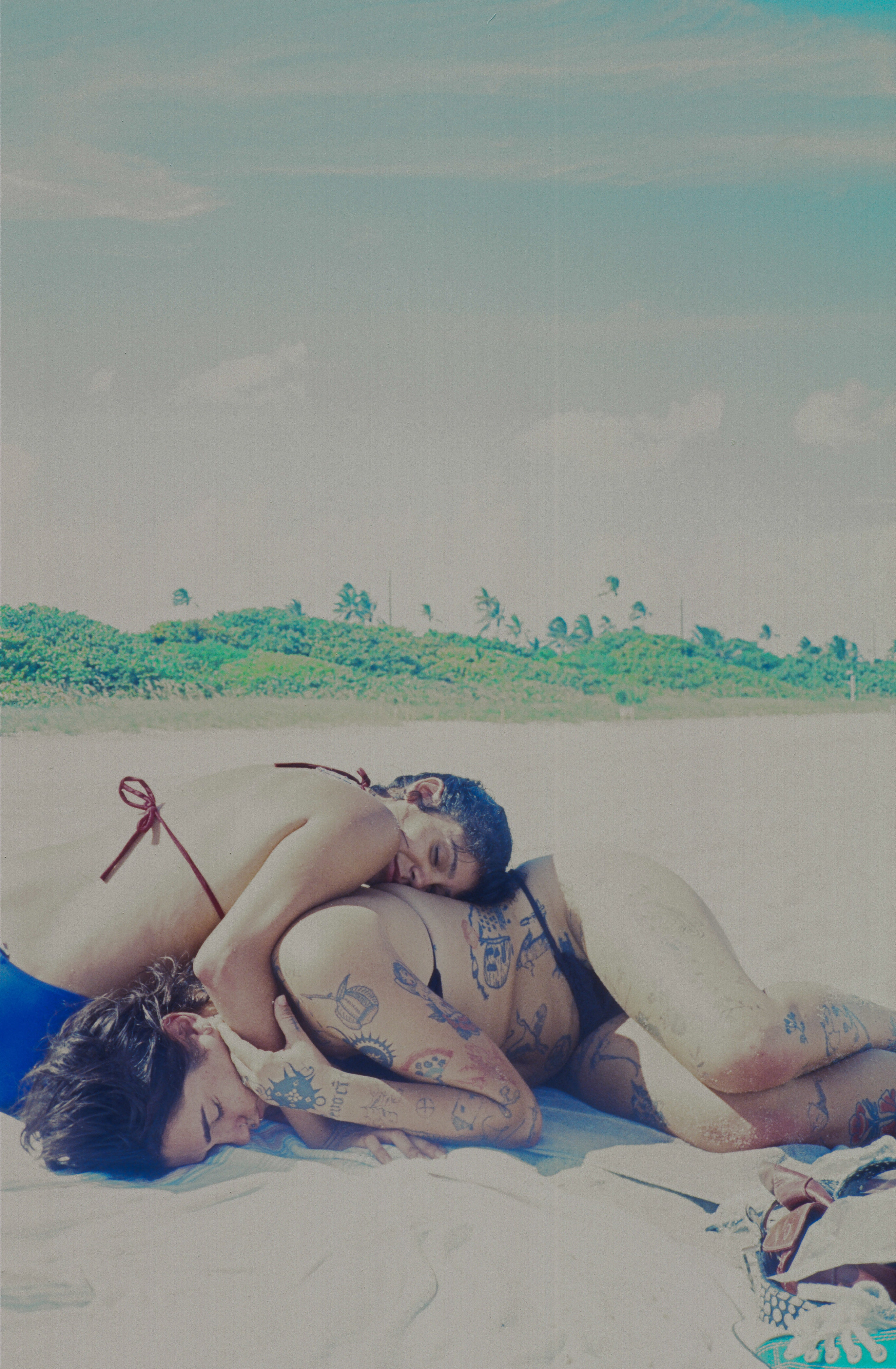
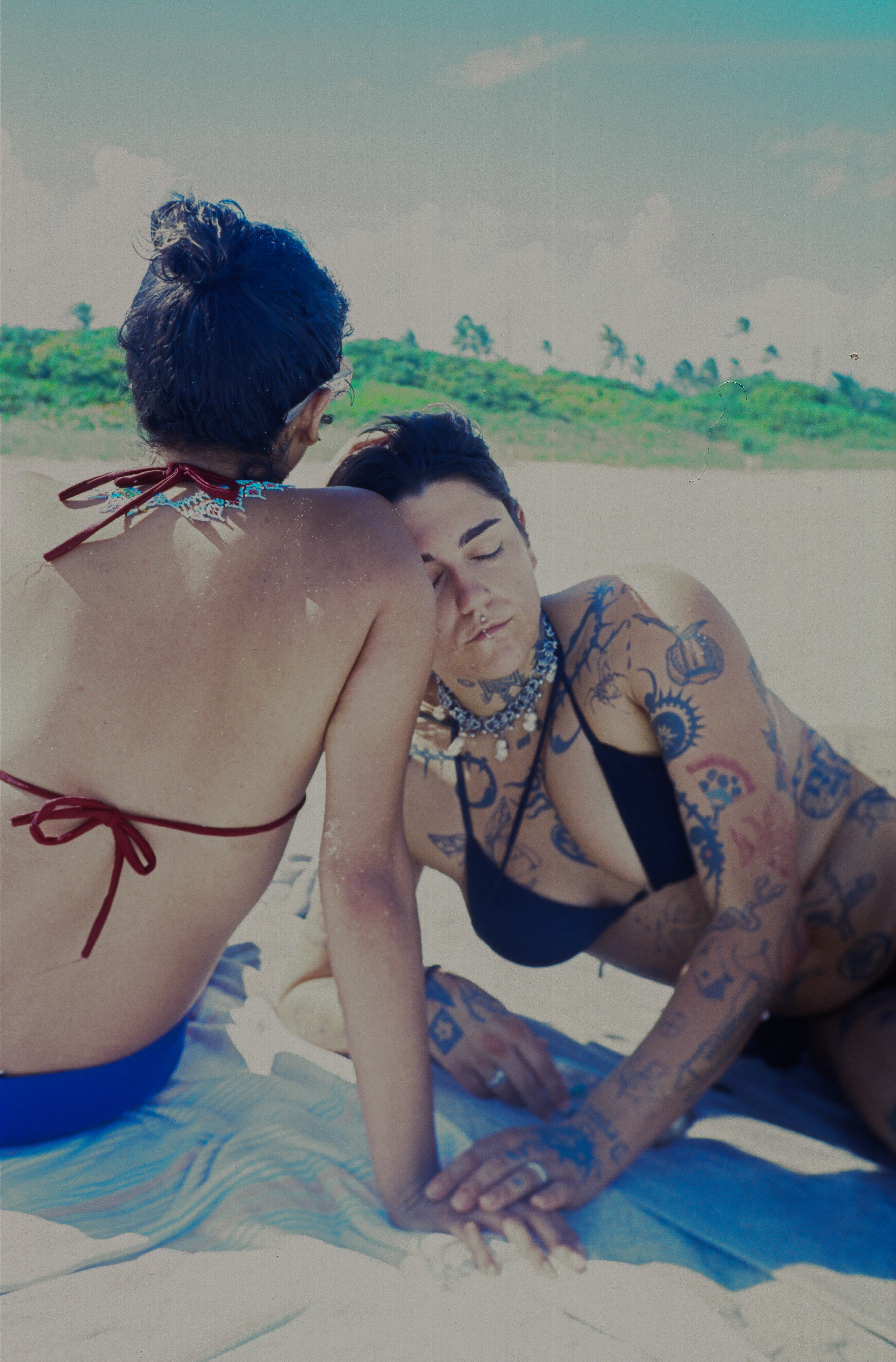
𝟗/𝟐𝟑/𝟐𝟒
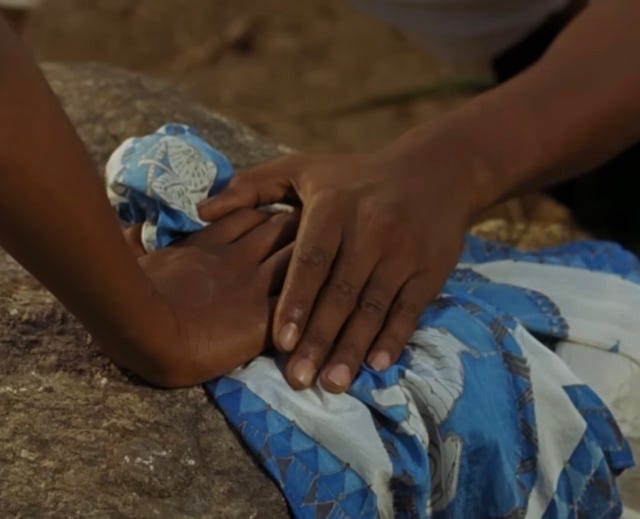
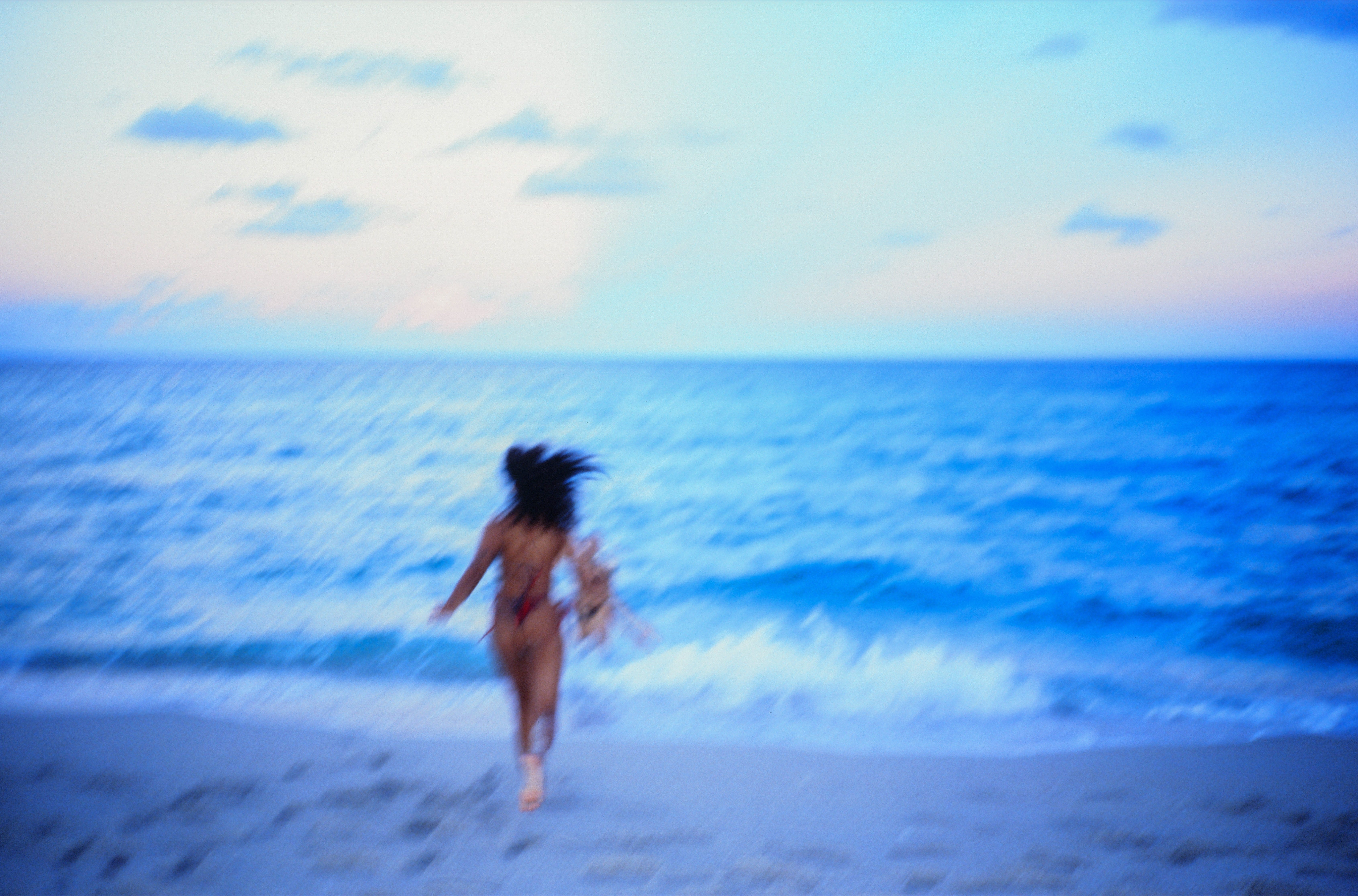
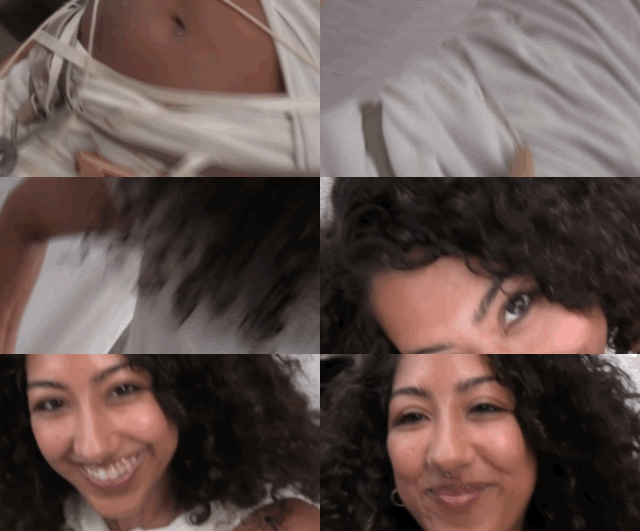
Being here is bringing back so many memories of being in Cuba last August. Sama came back unexpectedly to lay a loved one to rest. We played in the ocean like kids. Just like the last time in Cuba. Rubbing sand across our bodies, swooning over mangrove pods and listening to the echoes reverberating through our hearts. Really listening to each other. These photos are moments between Dani and Sama as they shared their hometown and love with me so graciously. I’m so blessed that a majority of my friends in Miami were raised here.
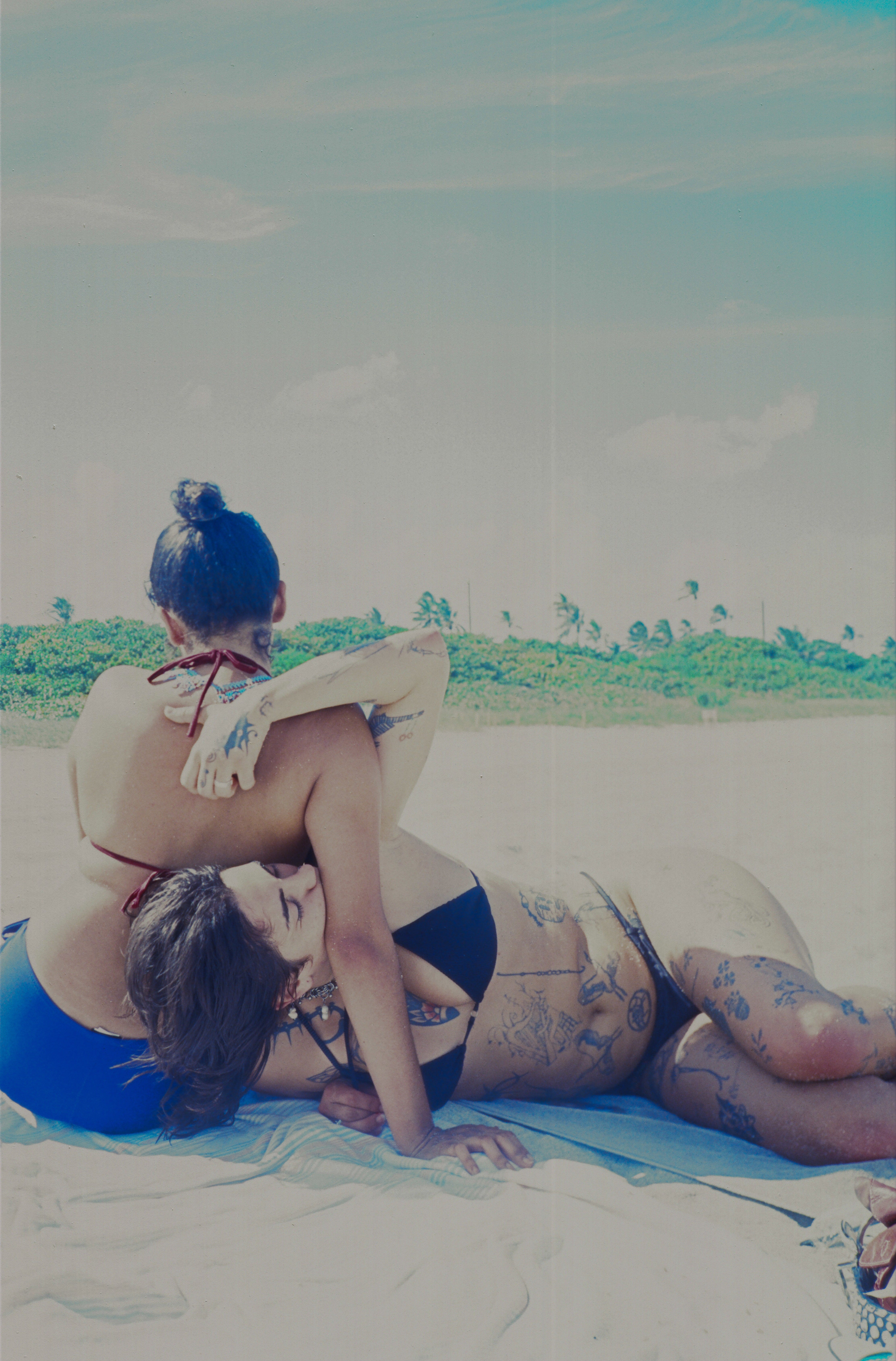
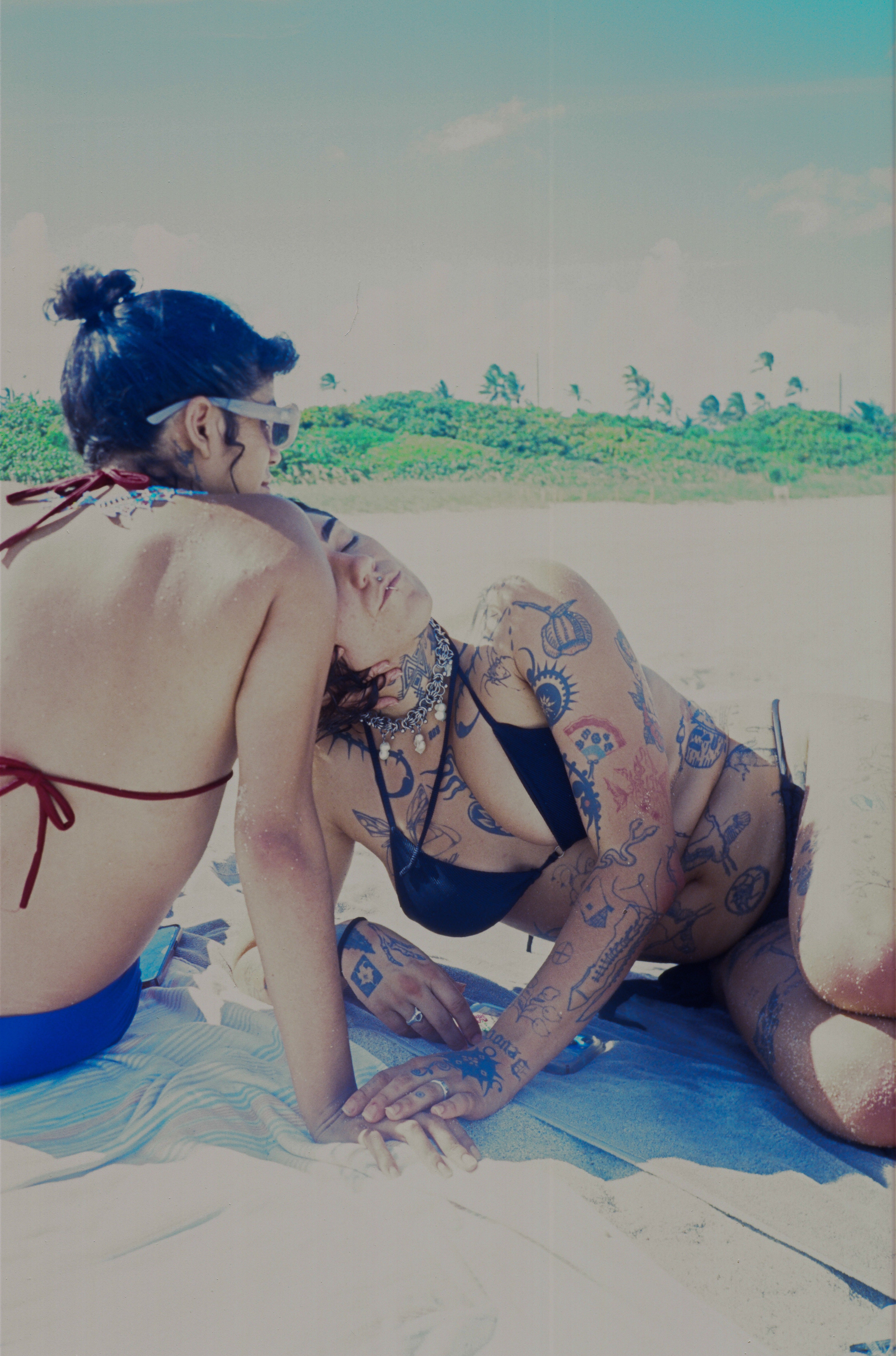
𝟗/𝟐𝟔/𝟐𝟒
A door is opening in my heart, but it’s not just a door, it is beyond and brighter than that.
Expansive, multiplicitous and evolving in it’s grace.
I trust it and it expands.
Lead me to my fullness.
Pour light and divine love into me.
I am deserving of ease, safety, true love, soft love, a love that heals.
A love that is a pillar to hold me.
A love that points me back to my divine compass.
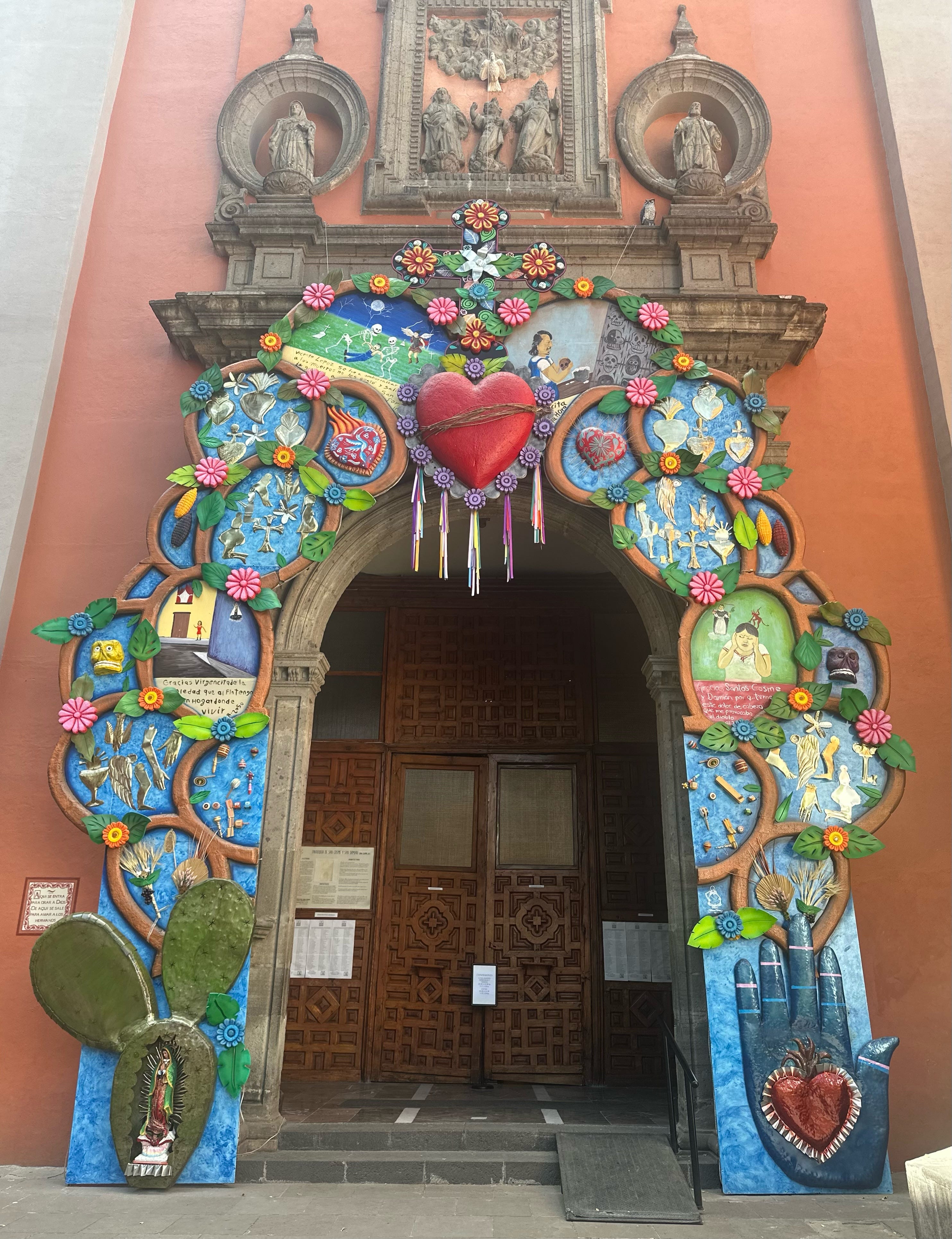
It’s 2026 now, nearly two years from the journal entries that line this collection.
The other day Issa asked me, “So when do you think Miami will want you back?” his question came a week or so after I asked myself, “How did I fall in love with Miami in the first place?”, I thought over my question as I took a sunset walk on July 4th.
I fell in love with the plants. I fell in love with the Caribbean, Indigenous, African, Black and diasporic people that have seeded this land with beauty, wisdom and culture. With my friends who took me to all of their favorite spots and filled me with endless stories that bridged me into a sacred intimate knowing. I fell in love with the people that are fighting to stay with this home in the face of overdevelopment, pollution, environmental degradation and unchecked, rampant capitalism.
As I walk, I can see so many of the flowers that remind me of all the islands I love. On that day in particular, as the smoke, sounds and colors filled the sky — I felt so uninspired by the lack, the inability to revive myths and write new ones, to extinguish these ‘holi’days, these horrific rituals of false celebration.
I let the warmth of all the sweetness I mentioned above carry me forward and dispel that lack. I’m not sure when Miami will want me back but I know these sweet waters will always crave me.
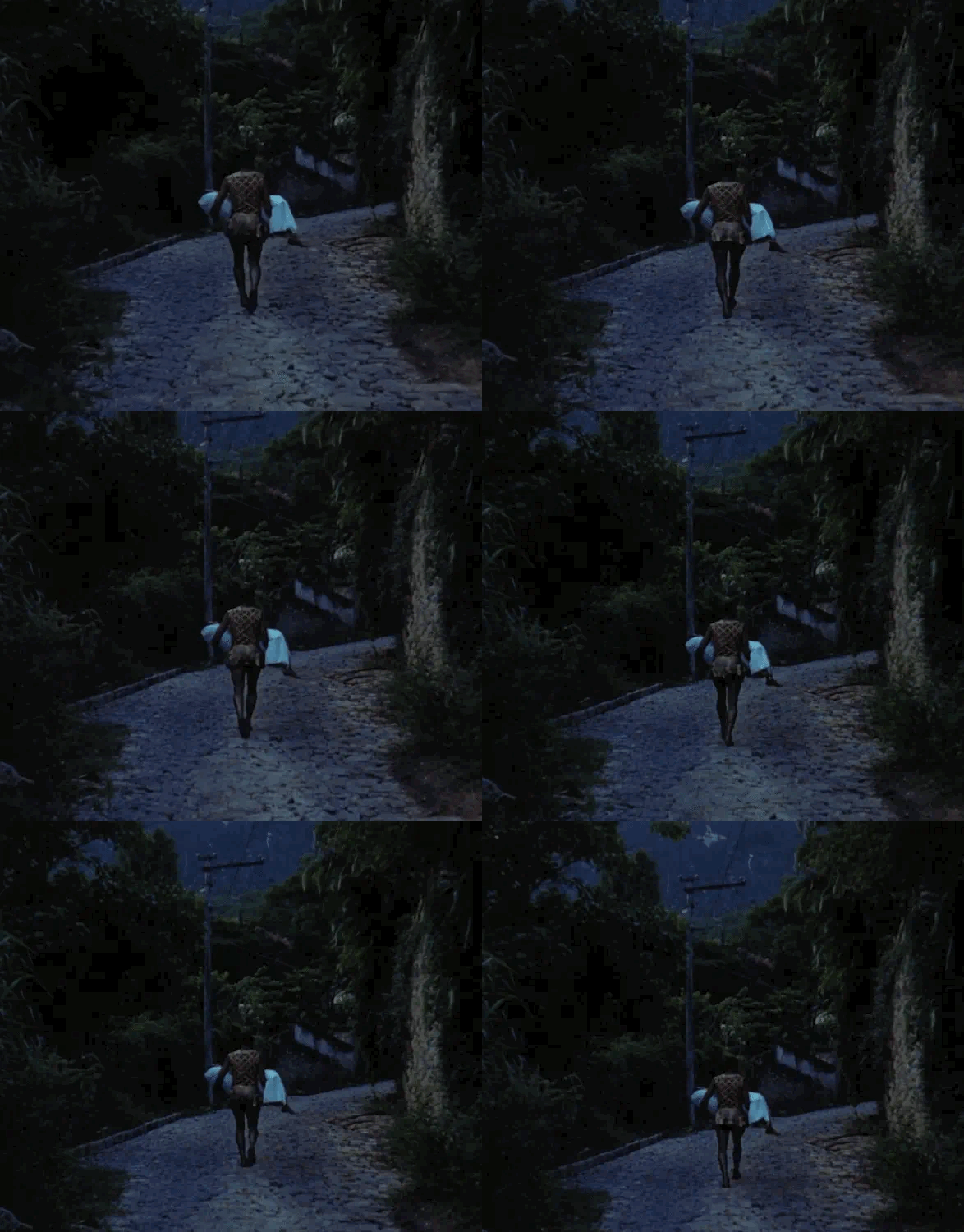
“Water unravels memory,
erases claim to body and time and space.
Open up for me, you said once, and you didn’t mean my mouth…
in the myth, when Orpheus looks back, a city doesn’t burn from iniquity; a city doesn’t turn to salt—
but his heart…
When you left and went radio silent I thought of you saying
I’m always tempted to just walk into the ocean”
from An Occupation of Loss (The Pink House, 9325 North Bayshore Drive) by Erika Meitner.
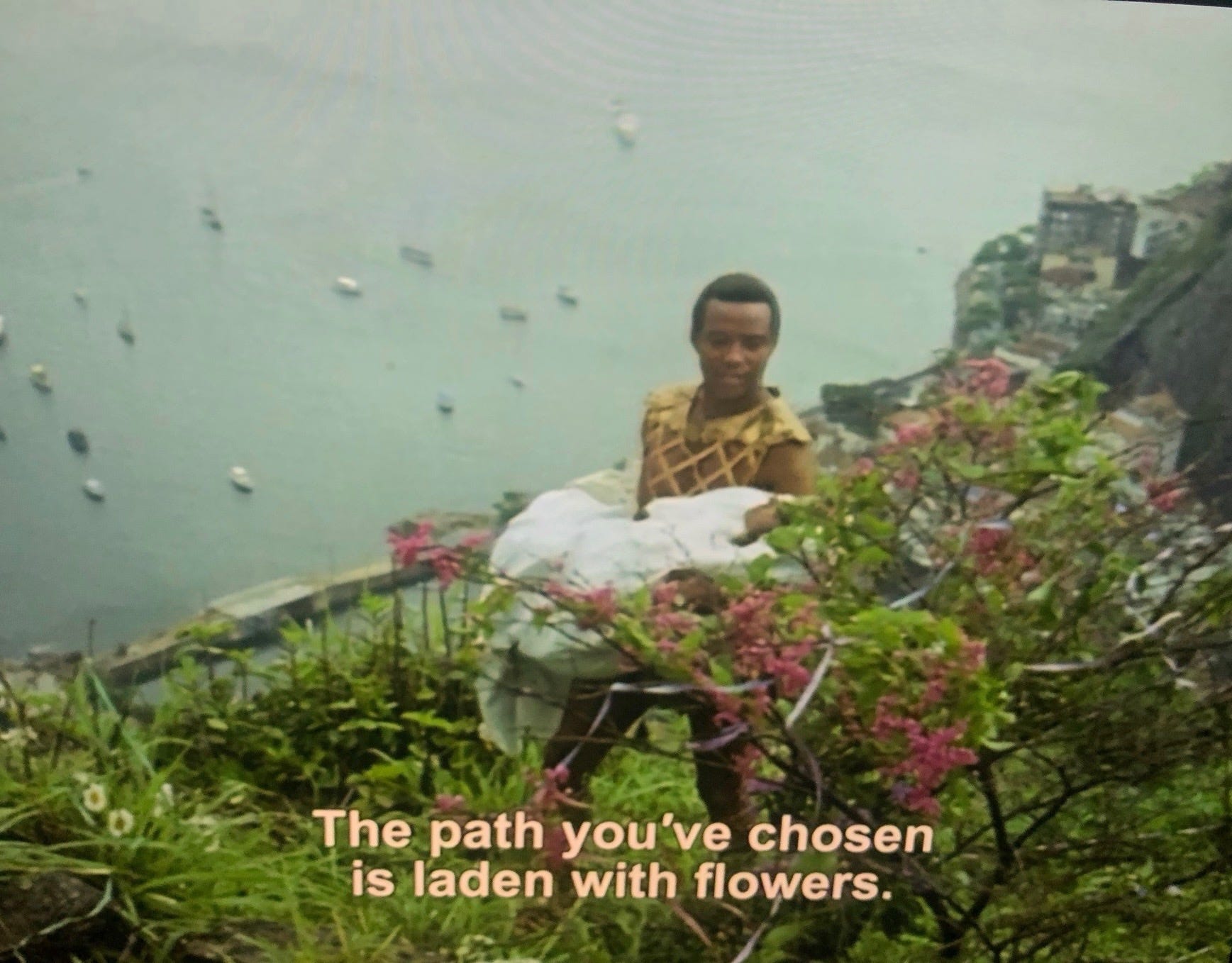
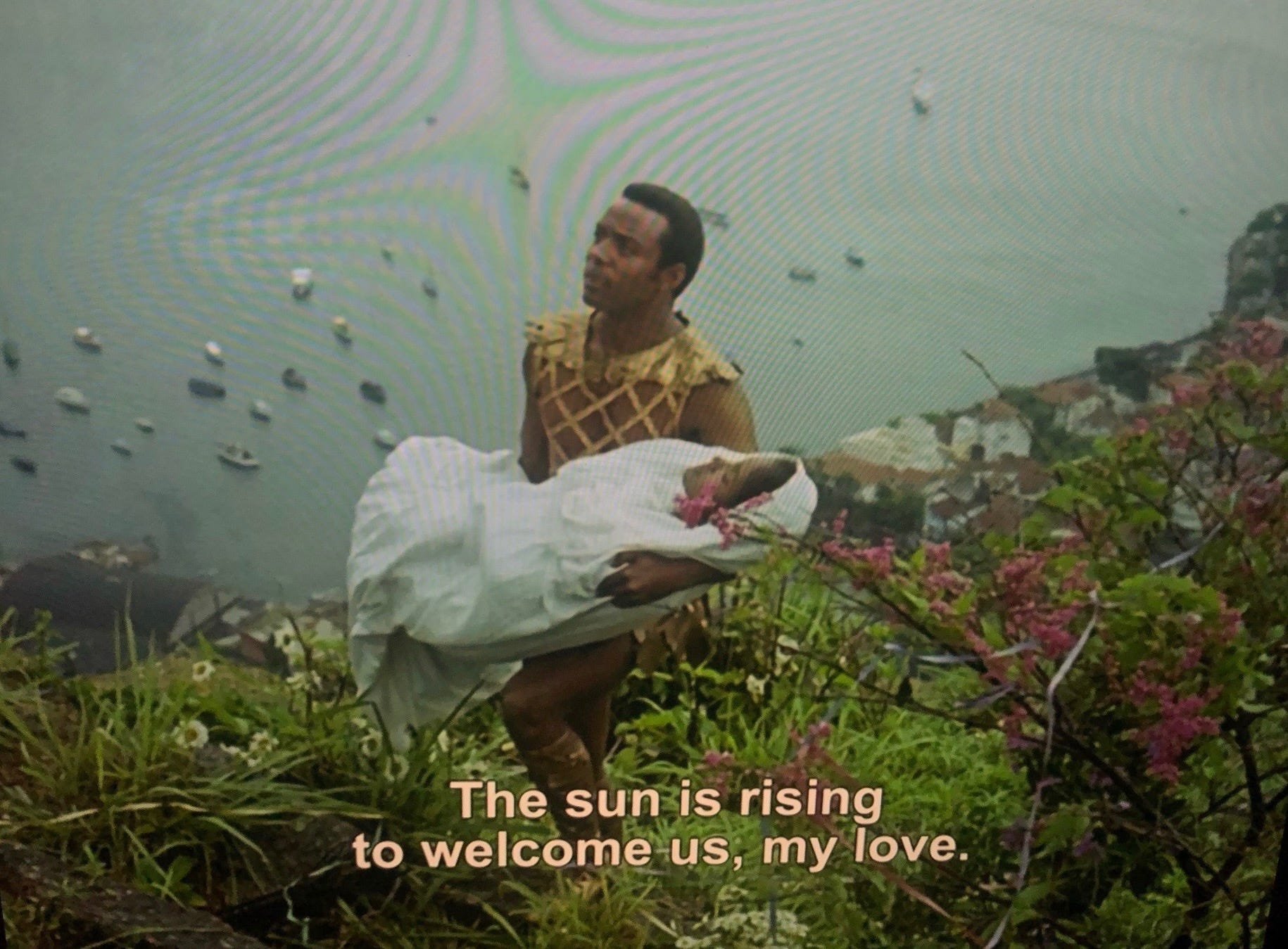
Miami sits upon oceanic ancestors, do you hear them too?
The entire landscape is a marine graveyard known as oolitic limestone. We know the possibility of Miami being underwater doesn’t feel too far off in the distant future but the traces of this being the past feel so close too. As if the land is charged by the wisdom of beings that have touched the ocean deeper than humans. The permeability of this knowing seeps in as the ocean swallows it piece by piece.
Still, how do we protect each other in the face of environmental change and climate catastrophe? I ask each of us to really listen to the land, to find ourselves rooted where we are and to steward imaginations that envision us in harmony with the planet that keeps us fed, loved, curious and alive.
I’m not sure if that’ll be Miami for me or another place, but I’ll keep you in my heart as I make my way.
References
Their Eyes Were Watching God by Zora Neale Hurston
In Search of Zora Neale Hurston by Alice Walker
A Mangrove Misunderstanding: Silent Guardians of the Coast by Leif Johnson
The Everglades: River of Grass by Marjory Stoneman Douglas
South Florida geology 101: Lessons in the rock about future risks from sea rise by Nicolas Rivero
Amitav Ghosh on the Lies of History and How the Natural World Fights Back by Ben Ehrenreich
Mangrove project is example of measures needed to slow effects of climate change by Will Charouhis